Residential septic tank pumping
Homes in West Lebanon and older central neighborhoods may have buried access points, narrow drives, or routes affected by winter pavement damage.
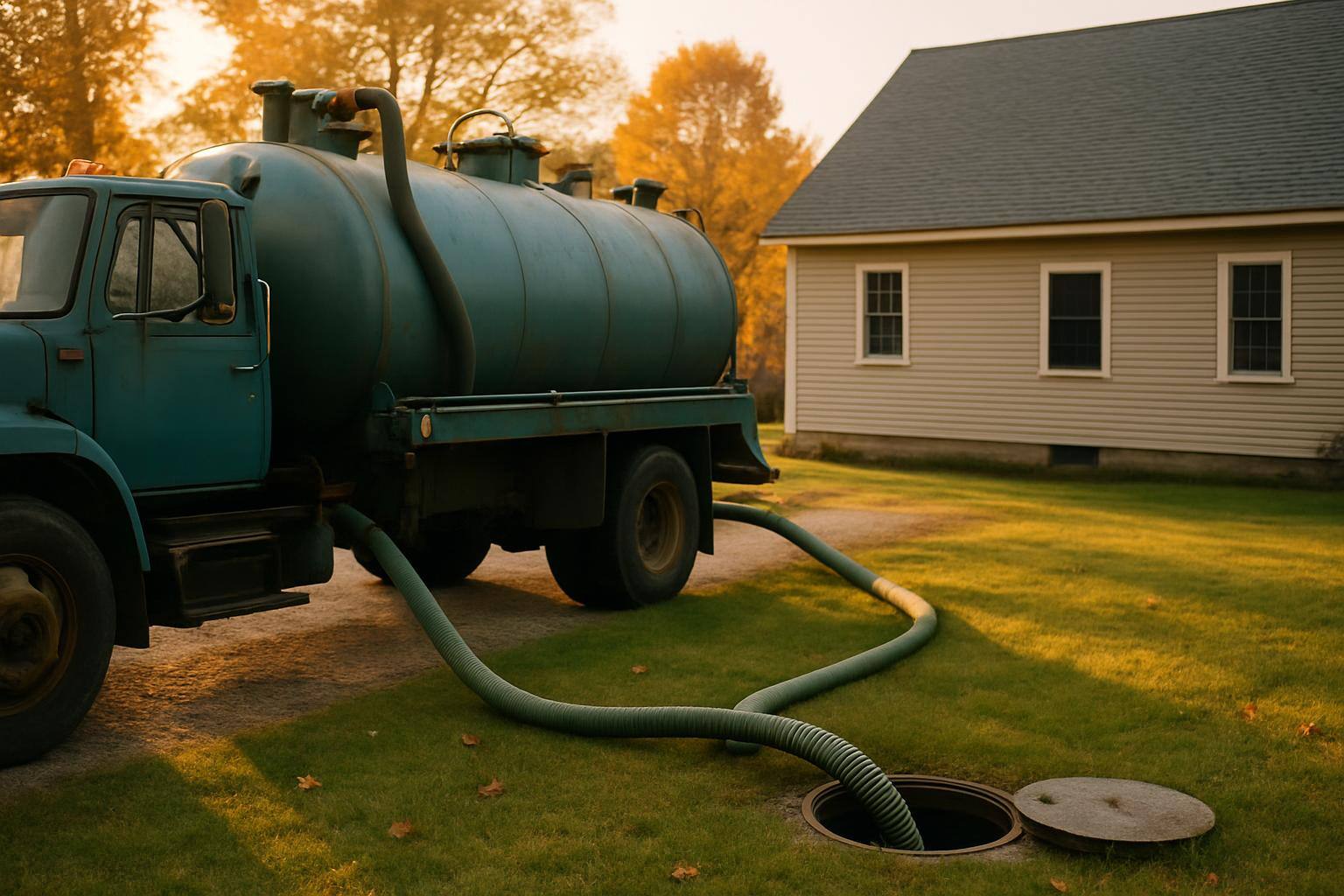
Septic tank pumping service · Lebanon, NH
In West Lebanon, a septic tank near a medical corridor property needs careful access planning around older homes and newer construction. One phone call gets the tank size, service details, and Lebanon site conditions sorted.
A real person answers · No forms · No waiting on a quote email
Size
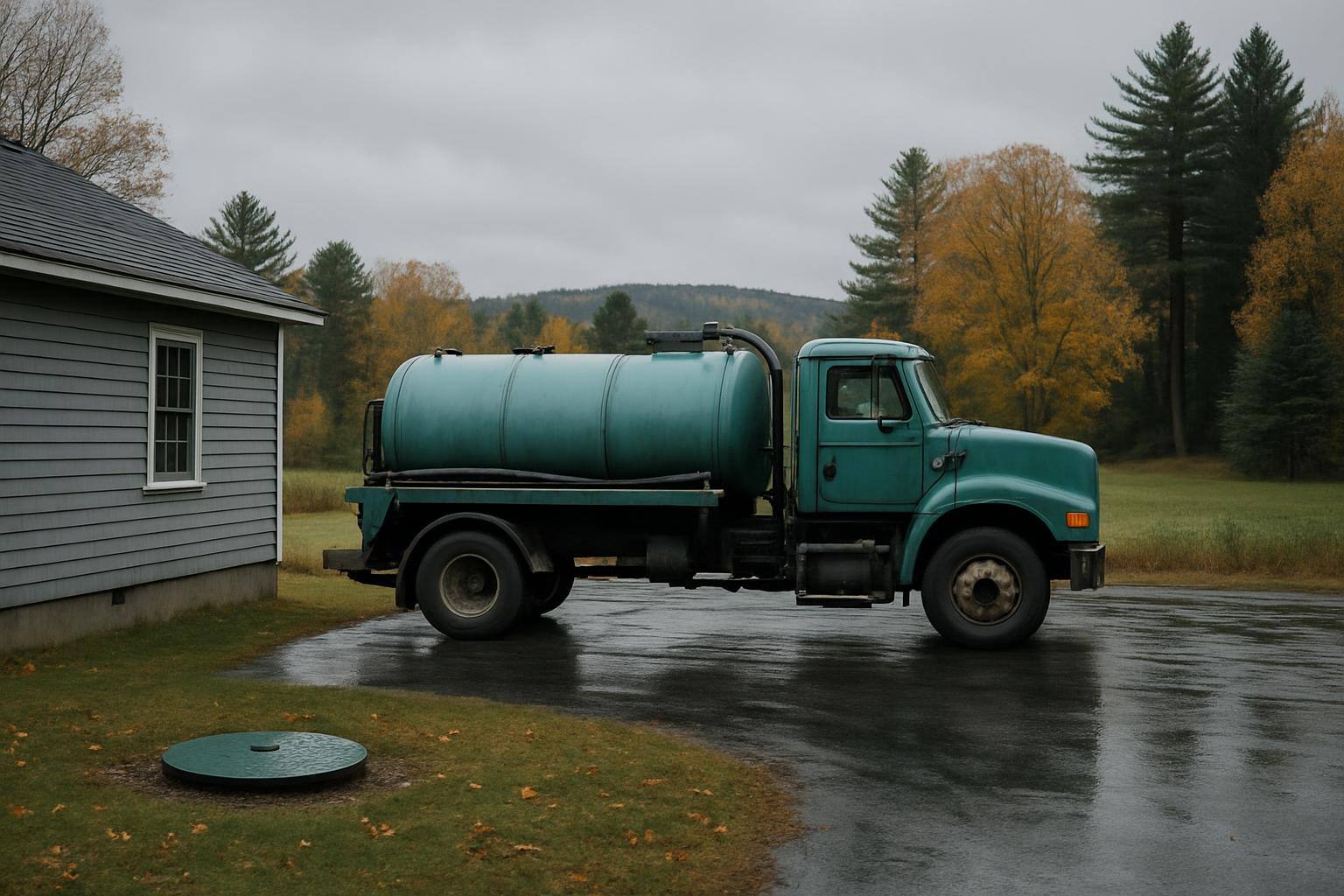
The operator matches the tank to the property, with the 750-gallon septic tank often fitting established Lebanon homes and smaller rural residences.
Quote
Your exact quote is given on the call, based on tank size, access, distance, material, and service requirements.
Date
The service date is set on the call after access, weather, and tank location are reviewed.
From West Lebanon and downtown Lebanon to homes near the Dartmouth corridor, septic work spans older housing, newer subdivisions, cabins, rentals, and rural properties. Snow, spring runoff, and freeze-thaw damage can change the route to a tank, so the site and access should be discussed before the service date is set.
Services
Lebanon
Lebanon's housing stock ranges from older in-town homes to newer properties, cabins, rentals, and rural lots beyond the medical corridor. That variety changes where the septic tank is buried, how the truck approaches, and whether snow or runoff has softened the route. The service is planned around the tank, the material, and the access actually available at your Lebanon property.
Homes in West Lebanon and older central neighborhoods may have buried access points, narrow drives, or routes affected by winter pavement damage.
Overflow or a backed-up system needs prompt planning around snow, frozen ground, and access near Lebanon homes, rentals, and rural roads.
Cleaning removes settled material from Lebanon septic tanks and helps expose access or maintenance concerns before they become larger property problems.
Routine maintenance suits older Lebanon housing, newer construction, and rural systems where service history or tank location may be unclear.
Medical corridor growth and commercial properties near West Lebanon require access planning that keeps pumping equipment clear of active work areas.
Holding tanks at cabins and rural Lebanon properties need service planning based on tank size, access, and the material being removed.
Grease trap service for Lebanon food and commercial operations depends on material type, access, and keeping the service path clear.
The 750-gallon septic tank commonly suits established Lebanon homes and smaller rural properties, but older houses, cabins, rentals, and commercial sites vary. The operator uses the tank capacity, property history, and access details to select the practical tier.
Service capacity for septic tanks holding up to about 500 gallons.
This fits smaller septic tanks at compact Lebanon homes, cabins, or limited-use properties. Confirm the tank capacity first, especially where older records are incomplete.
Service capacity for septic tanks holding up to about 750 gallons.
This often suits an established Lebanon home or smaller rural residence. It can fit properties near town where the septic tank serves a modest household.
Service capacity for septic tanks holding up to about 1,000 gallons.
This is suited to larger Lebanon homes, rental properties, or systems serving more occupants. Access may matter near narrow drives and older neighborhoods.
Service capacity for septic tanks holding up to about 1,500 gallons.
This serves larger residential, commercial, or high-use systems around West Lebanon and the medical corridor. The tank location and truck approach need careful review.
Cost
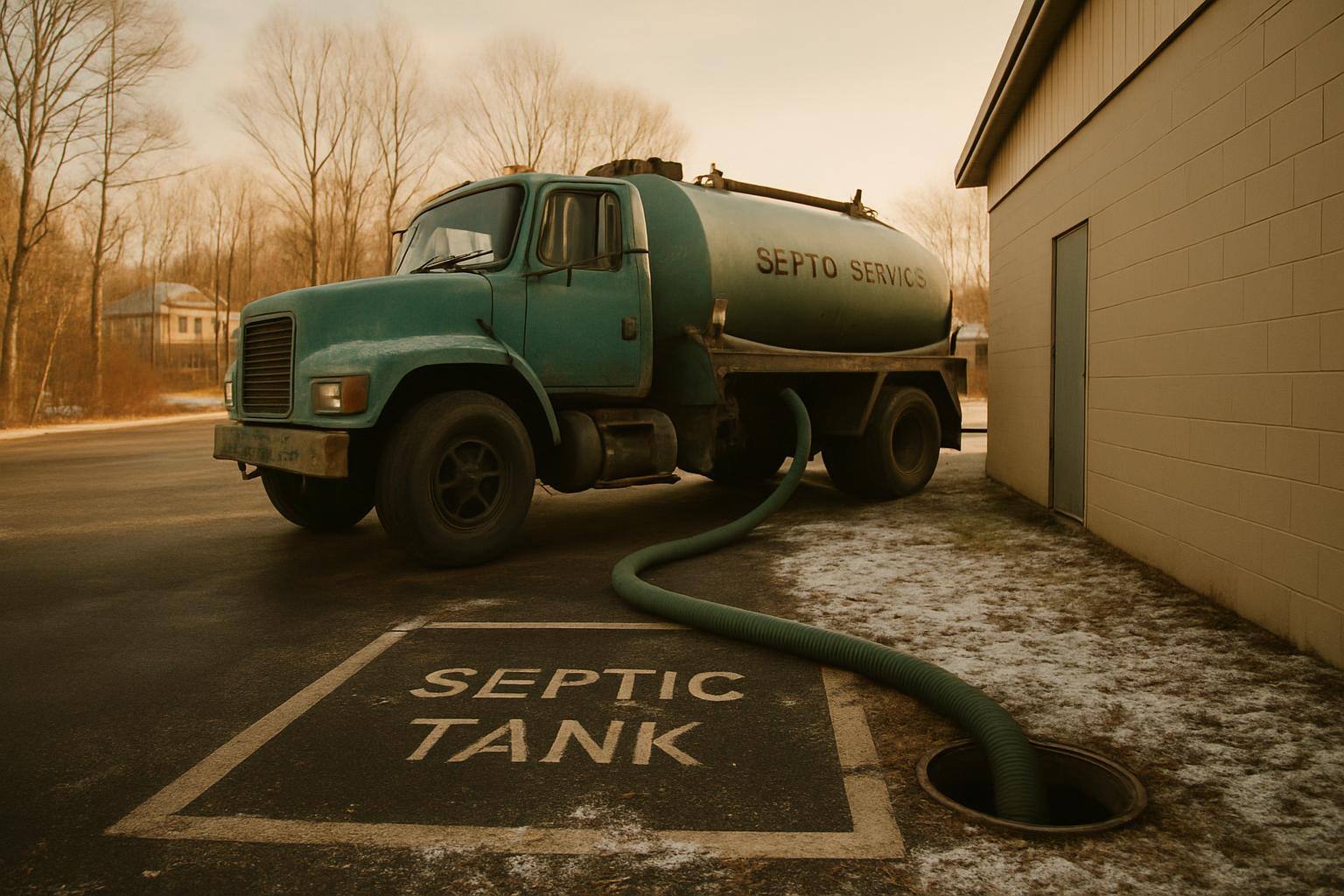
The quote is given on the call after reviewing tank capacity, material, access, distance from the Lebanon service area, service type, and site conditions. Snow, soft ground, narrow approaches, and the difference between a septic tank, holding tank, and grease trap can all change the work involved.
A 500-gallon septic tank and a 1,500-gallon septic tank require different pumping capacity and handling. Confirm the tank size or describe the property.
Distance from Lebanon, a narrow driveway, steep approach, overhead branches, or freeze-thaw damage can affect how equipment reaches the tank.
Septic waste, holding tank waste, and grease trap waste differ in material and weight. That affects handling and possible overage charges.
Cleaning, maintenance, emergency pumping, and commercial work may involve different preparation and site time, especially near West Lebanon activity.
To avoid surprise charges, describe the tank, material, route, access limits, and known service history on the call. The exact quote should reflect the actual Lebanon property rather than a guess from the tank alone.
What goes in
Septic tank waste from a Lebanon home, rental, cabin, or rural residence is handled according to the tank capacity, material, and access available at the property.
Holding tank waste from rural Lebanon properties or cabins can be discussed by tank size, service history, distance, and the route available to the access point.
Grease trap waste from a Lebanon commercial kitchen is a typical load. Describe the trap location, material, and access so the service can be planned properly.
Not accepted. Do not place household trash, construction debris, chemicals, paint, fuels, medical waste, or unknown materials in a septic tank, holding tank, or grease trap service request.
Projects
Lebanon homes range from older in-town properties to newer rural houses, so the job is sized around tank capacity, buried lids, and driveway access.
Cabins in the Lebanon area may have seasonal occupancy and difficult winter approaches. Confirm the tank location, access, and current ground conditions.
Rental properties in Lebanon need clear coordination with occupants and managers, especially where older homes have limited driveway space or uncertain tank records.
Maintenance cleaning helps Lebanon owners track older systems, identify access problems, and plan around runoff or pavement damage before a failure.
A Lebanon property transaction may require tank access and service records. Plan around the listing schedule, buried lids, and the property's actual system size.
Commercial work near West Lebanon and the medical corridor requires a clear equipment route that does not interfere with customers, staff, or active construction.
Emergency service for a Lebanon home, rental, or rural property starts with the symptoms, tank location, weather, and safest route to the access point.
Find the lids, risers, or records before service. Older Lebanon homes may need extra time to identify a buried tank.
Review access, occupants, weather, and site activity on the call so the Lebanon service date fits the property conditions.
The tank is serviced according to its capacity and material, with the truck route planned around driveway width and ground stability.
Discuss visible access issues, service history, and practical maintenance needs before the truck leaves the Lebanon property.
Weather
Lebanon snow can cover lids and narrow the approach, while spring runoff can soften rural ground. Freeze-thaw pavement damage may create ruts or weak edges near older drives. Share current conditions on the call so access is planned without relying on a clear-weather assumption.
Placement
At Lebanon properties, septic tanks are commonly set in the yard near the home, driveway, or system field, but older housing and rural lots vary. Driveway width, overhead branches, retaining edges, soft ground, snow storage, and nearby structures can limit where the truck can safely work.
Permits
Service on private property usually needs no permit. Placement in a Lebanon street, alley, boulevard, or sidewalk area needs approval from the City of Lebanon. Ask the city about any fees, required protection, approval process, and how long the placement may remain.
Some Grafton County subdivisions, condominiums, covenants, and landlords set rules for truck access, driveway use, parking, or lawn protection. Check those rules before arranging service at a Lebanon rental or managed property.
The service spot needs a usable approach, enough width for the equipment, overhead clearance, and firm ground near the tank. In Lebanon, clear snow, avoid soft spring runoff areas, and mention pavement damage, tight turns, slopes, or buried utilities before the date is set.
Service covers central Lebanon, West Lebanon, properties near the Dartmouth and medical corridor, and rural roads toward the town edges. Access planning also matters for nearby Grafton County communities such as North Haverhill and Woodsville, along with Claremont, Franklin, and Tilton-Northfield when arranged by phone.
Not sure about your street? Ask on the call and we will tell you which office handles it.
Timing
Late spring and summer bring more activity to Lebanon cabins, rural properties, rentals, and homes, while fall maintenance can precede frozen ground. Winter snow may hide lids and restrict approaches. Spring runoff and freeze-thaw pavement damage can make a route unsuitable, so seasonal ground conditions belong in the service discussion.
Snow can hide tank lids and narrow the drive, while frozen ground may support equipment differently from a thawing shoulder. Clear the route and describe winter conditions around the Lebanon property.
Spring runoff can soften rural Lebanon approaches and expose pavement damage from freeze-thaw cycles. Review the route, turning area, and tank location before choosing the service date.
Service area
Lebanon is part of our Grafton County coverage, and we also serve the neighboring communities below.
Why us
Lebanon combines older in-town housing, expanding medical corridor properties, rentals, cabins, and rural lots. That mix makes tank location, capacity, driveway access, and service history more useful than a generic septic estimate.
Oriom Dumpster Service · Lebanon
Snow, spring runoff, and freeze-thaw pavement damage change how trucks reach tanks around Lebanon. A real person can review the route, material, property type, and seasonal limits before the exact quote and service date are set.
Click Here to Call (603) 451-2904FAQs
Still have a question about Lebanon? Call (603) 451-2904 and ask a real person.
The exact quote is given on the call and depends on tank size, material, access, distance, service type, and seasonal site conditions. A narrow West Lebanon driveway, soft spring ground, or a commercial grease trap can require different planning than a standard home tank.
The right size depends on the actual tank, not only the house. A 750-gallon septic tank often suits an established Lebanon home, while rural homes, rentals, cabins, and commercial properties may use another tier. Share records or tank details on the call.
The standard rental period is seven days, with extensions available by the day. That term applies to dumpster rental rather than septic pumping, so a Lebanon septic service date is arranged separately around access and tank conditions.
Septic tank waste, holding tank waste, and grease trap waste can be discussed for service. Identify the material, tank type, property use, and access at your Lebanon address so the work is matched to the correct service.
Household trash, construction debris, chemicals, paint, fuels, medical waste, and unknown materials are not covered as septic tank, holding tank, or grease trap waste. Keep those materials out of the system and describe anything unusual before service.
Private property usually needs no permit for septic pumping. If equipment or service access must occupy a Lebanon street, alley, boulevard, or sidewalk, approval comes from the City of Lebanon, and the city can explain fees and duration.
Yes, a driveway may be used when it provides a suitable approach, width, overhead clearance, turning area, and firm ground. Mention narrow drives, slopes, soft shoulders, pavement damage, snow, and nearby obstacles before the service date.
The service date is set on the call after the tank location, access, weather, and job type are reviewed. Same-day or next-day delivery may be worth asking about, but availability is not promised.
Yes, snow can cover lids and restrict the route, while thawing ground and spring runoff can weaken access. Clear snow where possible and describe frozen ground, soft areas, and pavement damage when arranging service.
Yes, service planning includes West Lebanon, central Lebanon, the medical corridor, rural edges, and nearby properties when arranged by phone. The operator will need the tank location, capacity if known, material, and approach conditions.
A real person answers · No forms · Every quote given on the phone