Residential septic tank pumping
Residential pumping for Claremont homes includes checking the tank location, cover access, driveway grade, and ground conditions before work begins.
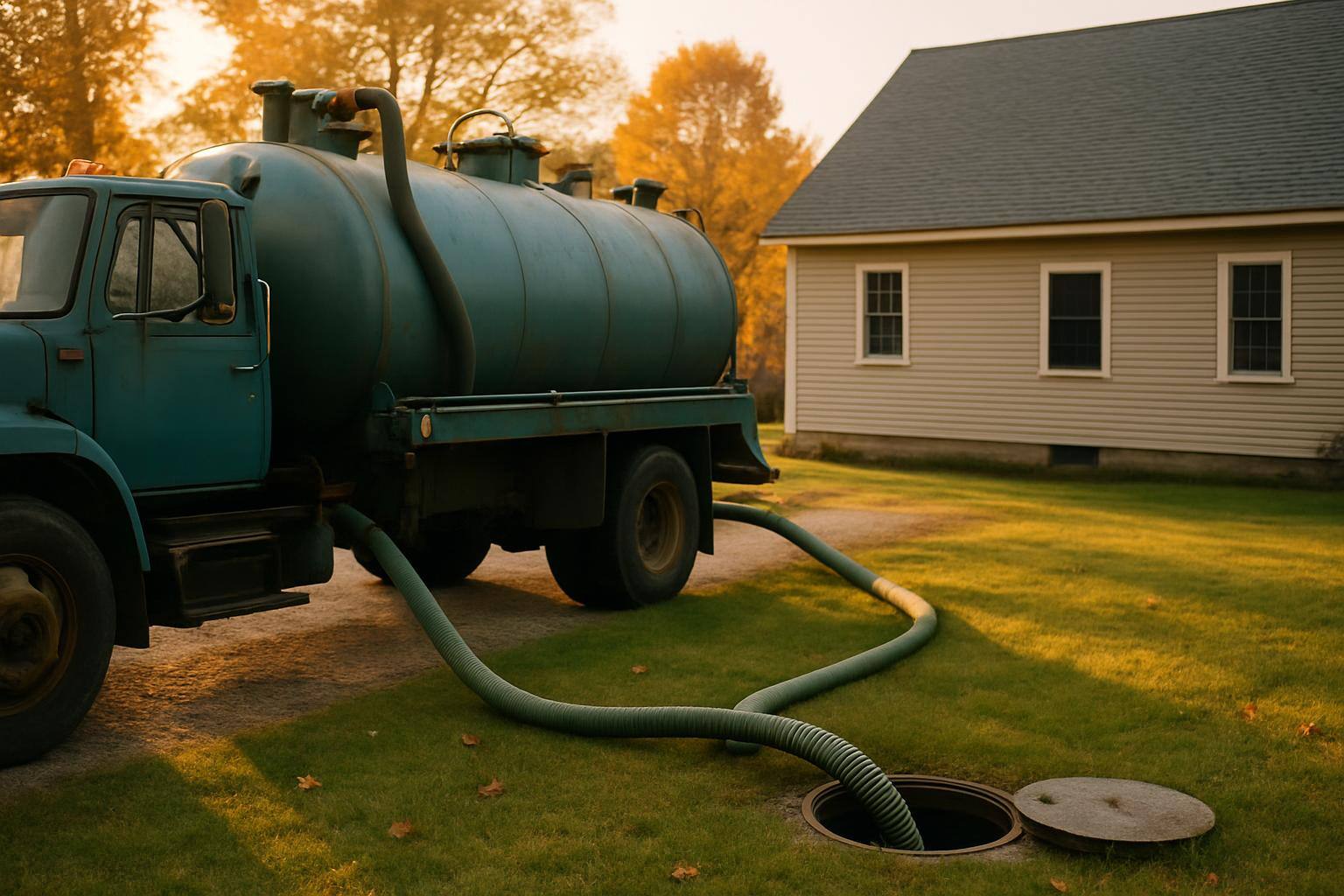
Septic tank pumping service · Claremont, NH
A hillside home near Broad Street may have a buried septic tank below a sloped drive, where freeze-thaw movement complicates access. One call gets the tank size, access route, service time, and pumping plan sorted.
A real person answers · No forms · No waiting on a quote email
Size
You get a tank size recommendation on the call, including whether a 750-gallon or 1,000-gallon service fits an older Claremont home or hillside property.
Quote
The exact quote is given on the call, based on tank size, material, access, distance, and any extra cleaning needs.
Date
The service date is set on the call after the tank location, approach, and seasonal ground conditions are reviewed.
Claremont homes around the hillside neighborhoods, former mill corridors, and river valley properties can place septic tanks in very different spots. Work near Sugar River areas may have softer ground, while older streets can narrow the approach. Pumping is planned around the tank location, driveway grade, access width, and the condition of the cover.
Services
Claremont
Claremont's former mill city layout includes older homes, hillside lots, and river valley properties with different tank locations and access problems. A tank behind a narrow driveway is handled differently from one beside a level yard. The service plan accounts for the cover, pumping distance, ground firmness, and whether the property is a home, rental, cabin, or commercial site.
Residential pumping for Claremont homes includes checking the tank location, cover access, driveway grade, and ground conditions before work begins.
Emergency pumping helps address backups at Claremont homes, hillside properties, and river valley lots where snow or wet ground can restrict access.
Cleaning removes accumulated septic material from the tank, with Claremont access conditions reviewed so the hose route and work area are practical.
Maintenance pumping for Claremont properties helps identify access problems, cover concerns, and conditions that deserve attention before the next seasonal cycle.
Commercial pumping serves Claremont workplaces and properties with heavier use, where tank capacity, material, access, and scheduling require closer planning.
Holding tank pumping is planned for Claremont properties using a holding tank, including sites where hillside drives or soft river valley ground affect access.
Grease trap pumping handles grease trap waste from Claremont food service settings, with the trap location and hose path checked before service.
Many Claremont residential jobs fit the 750-gallon or 1,000-gallon range, especially at older homes and hillside properties. The right choice depends on the actual tank, not the age or appearance of the house, so have the tank record or access details ready for the call.
Service capacity for septic tanks holding up to about 500 gallons.
This fits a smaller septic tank serving a compact Claremont home, cabin, or lightly used property. Confirm the tank capacity before choosing it, especially where older records are incomplete.
Service capacity for septic tanks holding up to about 750 gallons.
A 750-gallon tank can suit a modest home near Claremont's older residential streets. The cover location, driveway slope, and distance from the truck still affect the service plan.
Service capacity for septic tanks holding up to about 1,000 gallons.
This commonly fits a larger Claremont home, rental property, or household with regular use. River valley moisture and hillside access may influence where equipment can safely approach.
Service capacity for septic tanks holding up to about 1,500 gallons.
A 1,500-gallon tank suits a larger residence, commercial property, or heavier-use site in Claremont. The quote depends on tank capacity, material, access, and pumping distance.
Cost
The exact quote is given on the call after the tank capacity and work conditions are discussed. Cost changes with tank size, material, access, distance from the truck, rental period when applicable, and whether routine pumping or deeper cleaning is needed.
A 500-gallon tank and a 1,500-gallon tank require different pumping work. The actual tank size and filled condition help determine the quote for a Claremont property.
A steep hillside drive, narrow older street, or long hose route from the truck can change the work. River valley ground may also limit the approach.
Septic tank waste, holding tank waste, and grease trap waste differ in material and handling needs. The waste type affects the quote and service plan.
Routine pumping, cleaning, emergency work, and maintenance review do not involve the same steps. The tank condition and requested scope are discussed before the quote.
To avoid surprise charges, describe the tank size, material, cover location, access width, slope, and hose distance accurately. Ask about the delivery fee, pickup fee, rental period, or overage charges if a dumpster service is also being discussed.
What goes in
Septic tank waste from a Claremont home, rental property, cabin, or commercial system is handled when the tank size and access details are provided.
Holding tank waste is accepted for properties that rely on a holding tank, including river valley and rural Sullivan County sites with limited soil conditions.
Grease trap waste from a Claremont food service property can be planned separately from septic tank pumping, based on trap location and material.
Not accepted. Household trash, construction debris, chemicals, fuel, paint, batteries, and other non septic materials cannot go into the tank or be included with this service.
Projects
Home service in Claremont includes tank access planning for older streets, hillside drives, and river valley properties with softer ground.
Cabin service in Sullivan County may involve lighter use, seasonal access, and snow or leaves covering the tank and approach.
Rental properties in Claremont need tank capacity and occupant use reviewed, particularly in older homes divided into multiple living spaces.
Maintenance cleaning helps Claremont owners review tank condition, cover access, and problems caused by wet ground or repeated freeze-thaw movement.
Real estate service documents the pumping work for a Claremont property while allowing access, tank location, and system records to be discussed.
Commercial service covers Claremont properties with heavier use, larger tanks, grease concerns, or difficult approaches near older industrial corridors.
Emergency work addresses backups and urgent tank conditions in Claremont, including properties where snow, wet soil, or steep access complicates the visit.
Identify the cover, tank record, driveway entrance, and likely hose route. If the cover is buried, describe the property layout during the call.
Set the service date on the call after discussing household use, access, snow cover, ground firmness, and any Claremont property restrictions.
The tank is pumped through the accessible opening, with the work area and hose route handled according to the property's grade and surface.
After pumping, review cover condition, access concerns, records, and maintenance questions that may matter before the next winter or thaw.
Weather
Claremont's heavy snow can hide covers and narrow the usable approach. Freeze-thaw cycles can shift soil, damage older pavement, and expose weak edges near a hillside drive. River valley moisture may leave ground soft, so the service plan considers clearing, footing, hose distance, and where equipment can safely stand.
Placement
At Claremont properties, septic tanks are often near the house, driveway, side yard, or downhill side of a sloped lot. Older hillside homes may place the tank below retaining edges, while river valley sites can have wetter soil. Buildings, pavement, trees, slopes, drainage, and truck access limit the practical work area.
Permits
Private property service usually needs no permit. Placement or equipment use in a street, alley, boulevard, or sidewalk area needs approval from the City of Claremont. Ask about any applicable fees, approval steps, and how long the approval may take before setting the service date.
Some Sullivan County developments, condominium properties, and rental arrangements have rules about truck access, parking, ground protection, or service hours. Owners, tenants, and landlords should review those requirements before scheduling work at a shared or restricted property.
The approach needs enough width for the service vehicle, clear overhead space, stable ground, and a workable route to the tank cover. Clear snow and parked vehicles, identify soft river valley soil, and mention steep grades, retaining walls, narrow drives, or seasonal obstructions before the service date.
Service covers Claremont's hillside neighborhoods, former mill corridors, central residential streets, river valley properties, and outlying roads toward the town edges. Nearby planning can also include Lebanon, Keene, Contoocook, West Swanzey, and Franklin, with the exact property location and access route reviewed on the call.
Not sure about your street? Ask on the call and we will tell you which office handles it.
Timing
Demand often increases in spring when thawing ground reveals drainage and access problems, and again before winter when owners prepare older systems for heavy snow. Summer work can be easier on some Claremont properties, while fall leaves and early snow may hide covers. The service date is planned around access, ground, and tank conditions.
Freeze-thaw damage and wet ground can restrict heavy vehicle access around Claremont hillsides and river valley lots. Report soft shoulders, damaged pavement, standing water, and hidden covers when arranging service.
Heavy snow can bury covers and narrow older streets, while frozen ground changes how the approach is cleared and used. Arrange access details early and identify where snow is piled.
Service area
Claremont is part of our Sullivan County coverage, and we also serve the neighboring communities below.
Why us
Claremont's hillside neighborhoods create real pumping differences: a tank below a sloped driveway may need a longer hose route, while older streets can limit where the service vehicle stands. River valley moisture adds another access concern.
Oriom Dumpster Service · Claremont
A practical plan starts with the tank cover, not a guess from the house size. Describing the grade, snow, ground firmness, and distance from the truck helps match the service to the property before the date is set.
Click Here to Call (603) 451-2904FAQs
Still have a question about Claremont? Call (603) 451-2904 and ask a real person.
The exact quote is given on the call and depends on tank capacity, waste type, access, hose distance, ground conditions, and whether cleaning or emergency work is needed. A hillside Claremont driveway or wet river valley lot may require different planning from a level yard.
The needed size is based on the actual tank capacity, not simply the number of bedrooms or the home's age. Common service choices include 750-gallon and 1,000-gallon tanks, but the cover, records, and property use should be reviewed before choosing.
The standard dumpster rental period is seven days, with extensions available by the day. Septic tank pumping is a service rather than a dumpster rental, so its date is set separately around tank access and site conditions.
Septic tank waste, holding tank waste, and grease trap waste are the materials covered by this service. Tell the operator which material is involved, since a Claremont home tank, holding tank, and commercial grease trap require different planning.
Trash, construction debris, chemicals, fuel, paint, batteries, and other non septic materials cannot be included. Keep those materials separate and explain any unusual contents before service at a Claremont property.
Private property pumping usually needs no permit, but using a street, alley, boulevard, or sidewalk area requires approval from the City of Claremont. Ask about fees, approval steps, and duration before using public space.
Septic pumping can often be planned from a driveway when the approach is wide, overhead space is clear, and the ground is stable. Sloped Claremont drives, retaining walls, snow piles, and long hose routes should be described during the call.
The service date is set on the call after the tank location, access route, and weather conditions are reviewed. Do not assume same-day or next-day delivery, especially when heavy snow or spring thaw affects a Claremont approach.
Heavy snow, frozen ground, and freeze-thaw damage can affect cover access, vehicle placement, and footing. Clear the tank area, identify soft or damaged ground, and explain seasonal limits before setting service at a Claremont property.
Hillside properties can be serviced when the tank location, slope, approach, and hose route are reviewed first. Former mill city neighborhoods may have narrow streets and steep drives, so the exact property layout determines the practical setup.
A real person answers · No forms · Every quote given on the phone