Residential septic tank pumping
Residential pumping suits Concord homes, including properties in West End, East Concord, and older streets with buried tanks and changing access.
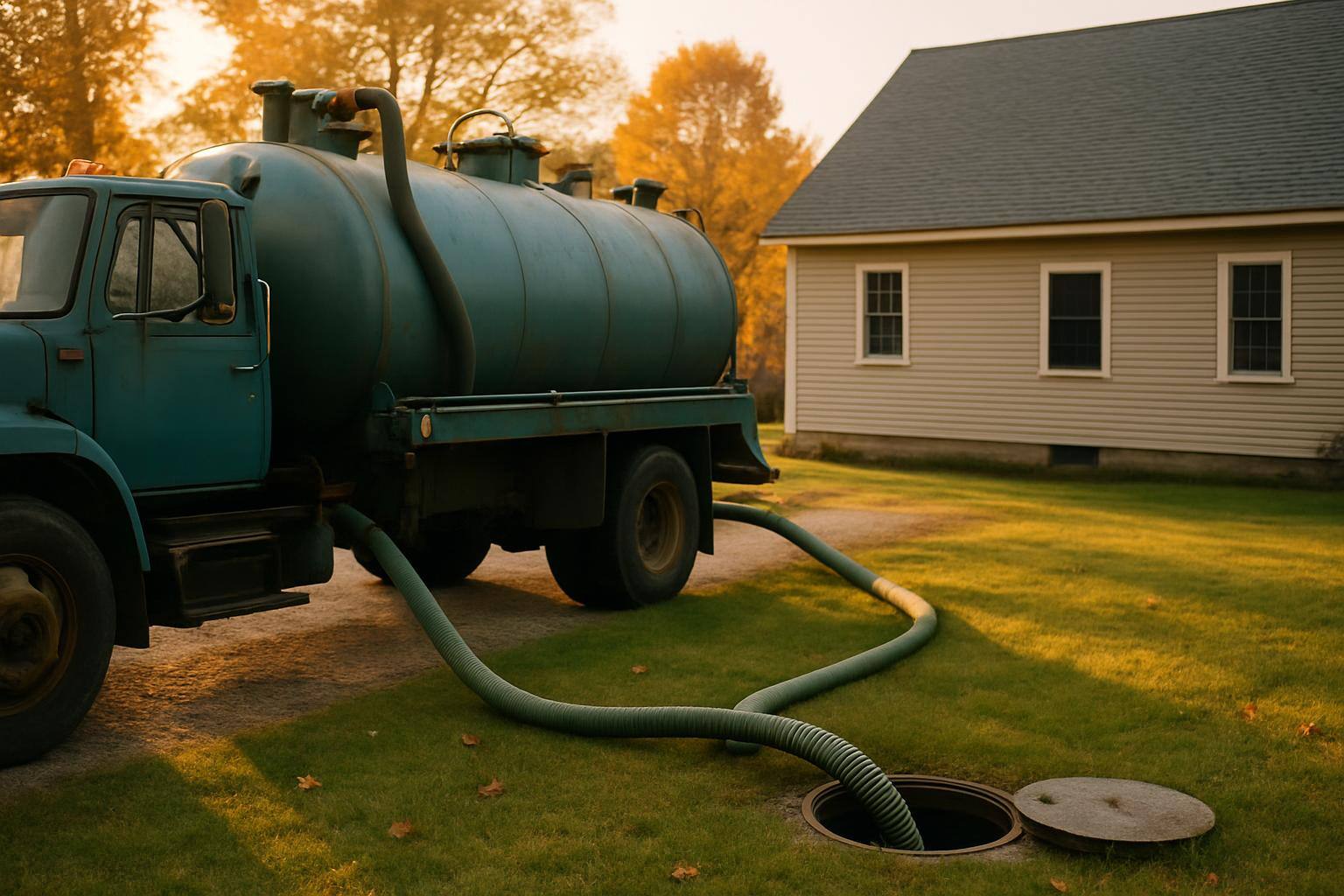
Septic tank pumping service · Concord, NH
From East Concord homes to properties near North State Street, tank access can change from one lot to the next. One phone call gets the tank size, access details, and service plan sorted.
A real person answers · No forms · No waiting on a quote email
Size
The size recommendation is based on the tank at your Concord property, with the 750-gallon or 1,000-gallon tier often fitting established homes and routine pumping work.
Quote
The exact quote is given on the call, based on tank size, access, distance, rental length, and the waste material.
Date
The service date is set on the call after the tank location and access route are reviewed.
Concord tank work covers older homes around West End, rural properties toward Eastman Street, and larger lots near Loudon Road. Cold winters, muddy spring ground, and broad arterial access all affect where equipment can reach the tank and how the work is planned.
Services
Concord
Concord properties range from established neighborhoods to larger Merrimack County lots with long drives and buried tanks. Work near Loudon Road and other broad arterials can be straightforward, while older West End properties may require careful locating and access planning. The service is matched to the tank, the waste type, and the route across your property.
Residential pumping suits Concord homes, including properties in West End, East Concord, and older streets with buried tanks and changing access.
Emergency pumping addresses an active backup or full tank at a Concord home, with access and tank location checked before service is arranged.
Cleaning removes accumulated material from the tank, useful for Concord properties where routine pumping has been delayed or tank condition needs review.
Maintenance pumping helps owners in East Concord and rural areas watch tank condition before muddy spring access complicates the next visit.
Commercial pumping serves Concord workplaces and facilities, with tank size, waste type, traffic routes, and broad arterial access considered together.
Holding tank pumping fits Concord properties without regular discharge, including sites where tank capacity and service access must be planned carefully.
Grease trap pumping handles food service waste in Concord, with material type, tank location, and the route from the access point reviewed.
The 750-gallon and 1,000-gallon tiers suit many established Concord homes, but the actual tank controls the recommendation. Smaller tanks fit compact properties, while larger homes, commercial sites, and holding tanks may need more capacity.
Service capacity for septic tanks holding up to about 500 gallons.
This service capacity fits septic tanks holding up to about 500 gallons. It can suit a smaller Concord home or compact property when the tank is confirmed before scheduling.
Service capacity for septic tanks holding up to about 750 gallons.
This service capacity fits septic tanks holding up to about 750 gallons. It is a practical match for many established Concord homes with accessible tank covers.
Service capacity for septic tanks holding up to about 1,000 gallons.
This service capacity fits septic tanks holding up to about 1,000 gallons. It may fit larger Concord homes, rental properties, or tanks serving more occupants.
Service capacity for septic tanks holding up to about 1,500 gallons.
This service capacity fits septic tanks holding up to about 1,500 gallons. It suits larger Concord properties, commercial work, and holding tanks when capacity is verified.
Cost
The exact quote is given on the call after the tank, route, and waste are discussed. Cost can change with tank size, pumping access, distance from Concord, ground conditions, rental length, and the material being handled.
A 500-gallon tank and a larger holding or commercial tank require different service planning, so confirmed capacity affects the quote.
Long drives in East Concord, narrow approaches near older streets, muddy ground, and limited turning room can change equipment access and cost.
Distance from the service route through Concord and Merrimack County affects the quote, especially when the property sits away from broad arterial access.
Septic waste, holding tank waste, and grease trap material differ in weight and handling, so the material type affects the quoted cost.
Have the tank location, approximate capacity, property address, access concerns, and waste type ready for the call. Reviewing those details first helps avoid surprise charges tied to distance, access, material, or added service needs.
What goes in
Septic tank waste from Concord homes, including properties around West End and East Concord, is handled when the tank and access route are identified.
Holding tank waste from rural Merrimack County properties can be discussed with the tank capacity, location, and access conditions ready.
Grease trap waste from a Concord food service property is reviewed separately because its material and handling needs differ from household septic waste.
Not accepted. Do not place chemicals, fuel, paint, batteries, construction debris, or other nonseptic material in the tank or request it as covered waste.
Projects
Home pumping serves Concord properties from West End houses to East Concord lots, with tank location and driveway access checked before service.
Cabin work in the Merrimack County area may involve seasonal access, buried covers, and ground conditions that change sharply after snowmelt.
Rental property service helps Concord owners plan around tenant access, tank location, and the heavier demand that can come with multiple occupants.
Maintenance cleaning for Concord homes helps review tank condition before winter frost, spring mud, or summer use complicates access.
Real estate pumping in Concord gives buyers and sellers a practical service step, with tank access and observed maintenance needs discussed.
Commercial properties along Concord corridors need tank capacity, waste material, traffic movement, and service access considered together.
Emergency work addresses urgent tank problems in Concord, with the property route and tank location established as quickly as the available details allow.
Identify the tank covers, cleanout points, driveway, and route from the street before the service time is selected.
Share the property address, tank capacity if known, access limits, and any current backup or overflow concerns.
The tank is pumped according to its capacity and waste type, with ground and approach conditions considered during the work.
After pumping, discuss visible access concerns, service history, and practical steps for the next maintenance visit.
Weather
Concord winters can freeze ground and cover access points with snow. Spring thaw creates muddy approaches and soft soil, while hot humid summers can increase odor and debris concerns. Share current ground conditions so the route and tank access can be planned realistically.
Placement
At Concord properties, a septic tank is commonly reached from a driveway or service area near the home, though older lots may place covers farther from the house. Landscaping, retaining features, parked vehicles, narrow approaches, overhead branches, and soft ground can limit where equipment works.
Permits
Private property usually needs no permit for tank service. If equipment or a service setup must use a street, alley, boulevard, or sidewalk, approval comes from the City of Concord. Ask the city about any fees, placement rules, and how long approval may take before setting the service date.
Homeowner associations, covenants, and landlords in Merrimack County may set rules for driveway use, access timing, landscaping, or equipment placement. Check those property rules before scheduling service at a managed Concord home or rental.
The service spot needs a usable approach from the road, enough width for the equipment, overhead clearance, firm ground, and access to the tank covers. Clear snow in winter, expect muddy conditions during spring thaw, and mention narrow drives, soft shoulders, or blocked turn areas.
Service covers Concord neighborhoods and settings including West End, East Concord, properties near Loudon Road, North State Street, and rural edges toward Eastman Street. Nearby work may also be discussed for Suncook, Contoocook, South Hooksett, Manchester, and Pinardville, with distance and access reviewed.
Not sure about your street? Ask on the call and we will tell you which office handles it.
Timing
Concord demand often changes with the calendar. Spring thaw exposes soft ground and access problems, summer brings heavier use at homes and rentals, and fall preparation can uncover overdue pumping. Winter work is still possible, but snow, frozen soil, and buried covers need to be discussed before the route is planned.
Muddy spring conditions around Concord can limit a truck approach or make shoulders unstable. Identify firm access, clear the tank covers, and report soft ground before the service date is chosen.
Snowy Concord winters can hide covers and narrow the usable approach, while frozen ground changes access. Clear the service area and explain plowing or driveway limits during the call.
Service area
Concord is part of our Merrimack County coverage, and we also serve the neighboring communities below.
Why us
Concord combines capital-area neighborhoods with larger outer lots, so a tank may sit beside a straightforward arterial route or down a long drive with limited turning room. The service plan accounts for the actual property, not just the street address.
Oriom Dumpster Service · Concord
Cold winters, muddy spring conditions, and hot humid summers change tank access and debris handling in Concord. Discussing snow cover, soft ground, and the waste type before scheduling keeps the work matched to the site.
Click Here to Call (603) 451-2904FAQs
Still have a question about Concord? Call (603) 451-2904 and ask a real person.
The exact quote is given on the call and depends on tank size, waste material, property access, distance, ground conditions, and any added service needs. Have the Concord address, tank location, approximate capacity, and route from the street ready for review.
The correct size is based on the actual tank capacity, not only the home size. The 750-gallon or 1,000-gallon tier may fit many established Concord homes, while smaller, commercial, or holding tanks may require another tier.
The standard rental period is seven days, with extensions available by the day. Septic tank pumping is a separate service, so explain whether you need tank cleaning, pumping, or a dumpster rental when speaking about the job.
Septic tank waste, holding tank waste, and grease trap waste are the accepted categories for this service. Describe the source and material clearly, especially for a Concord commercial property or a holding tank outside the central neighborhoods.
Chemicals, fuel, paint, batteries, construction debris, and other nonseptic material are not covered waste. Keep those materials out of the tank and mention any unusual contents before service is arranged.
Private property usually needs no permit for tank service. Use of a street, alley, boulevard, or sidewalk may require approval from the City of Concord, so ask about placement rules, fees, and approval duration.
Equipment can use the driveway when the approach, width, overhead clearance, turning space, and ground are suitable. Tell the operator about narrow drives, soft shoulders, parked vehicles, branches, snow, or muddy spring access.
The delivery or service date is set on the call after the property, tank location, and access route are reviewed. Ask about the available timing that fits your Concord property and current site conditions.
Yes, snow can hide covers, frozen ground can change access, and spring mud can make shoulders unstable. Summer heat and humidity can also affect odor and debris handling, so current conditions should be described before scheduling.
Service can be discussed for properties near Loudon Road, with the tank location, driveway approach, traffic conditions, and waste type reviewed first. Broad arterial access may help, but the final route depends on the private property.
A real person answers · No forms · Every quote given on the phone